
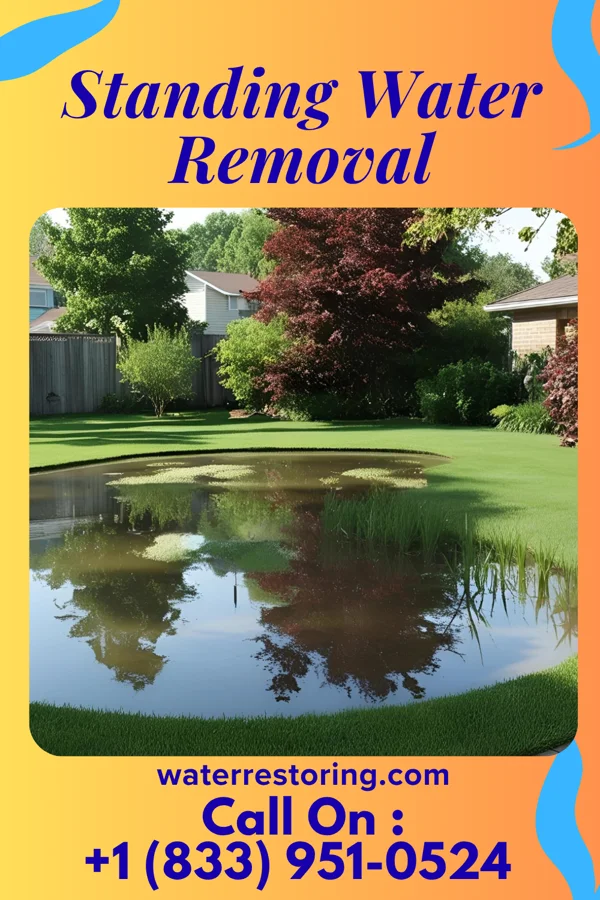
Jamestown Standing Water: What Owners Should Know
Residential or commercial, water damage emergencies in Jamestown keep coming back to the same drivers. In Jamestown, Indiana, the primary water damage cause is often related to plumbing failures in older homes, especially during the colder months when frozen pipes can burst. Additionally, heavy rainfall in the spring and summer can lead to basement flooding, particularly in areas near the Wabash River. sits at the top of the list. A close second is Secondary causes include leaking roofs from storm damage, faulty sump pumps, and water intrusion from nearby agricultural runoff. These issues are more common in rural areas like New Ross and North Salem, where infrastructure may be less maintained..
Jamestown experiences a humid continental climate, which increases the risk of mold growth after water damage. The area's frequent spring rains and occasional summer thunderstorms contribute to a higher likelihood of water intrusion in residential properties.
Water damage in Jamestown follows a few local patterns. In Jamestown, Indiana, the primary water damage cause is often related to plumbing failures in older homes, especially during the colder months when frozen pipes can burst. Additionally, heavy rainfall in the spring and summer can lead to basement flooding, particularly in areas near the Wabash River. accounts for the bulk of our calls. Jamestown experiences a humid continental climate, which increases the risk of mold growth after water damage. The area's frequent spring rains and occasional summer thunderstorms contribute to a higher likelihood of water intrusion in residential properties. Mold can develop rapidly in Jamestown's climate, especially in homes with poor ventilation or standing water. Prompt action is critical to prevent health risks and structural damage in the area's historic and rural neighborhoods.